
Seismic Retrofitting Services
Seismic retrofitting enhances the structural integrity of buildings to resist earthquake forces. Implementing retrofitting measures can significantly reduce damage and improve safety during seismic events, making it a crucial consideration for vulnerable structures.
Seismic retrofitting involves strengthening existing structures to better withstand earthquakes, often through adding new structural elements or reinforcing current ones.
Retrofitting can reduce repair costs after an earthquake, protect occupants, and extend the lifespan of a building.
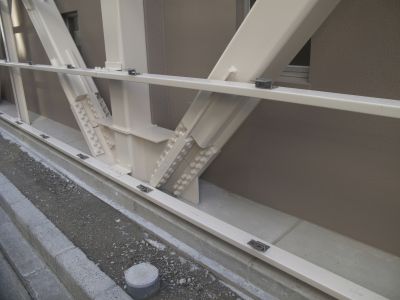
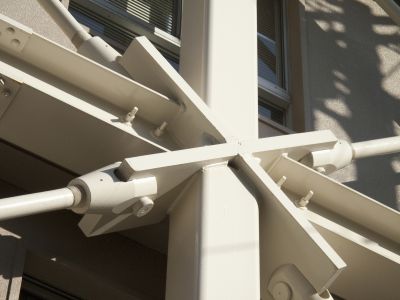
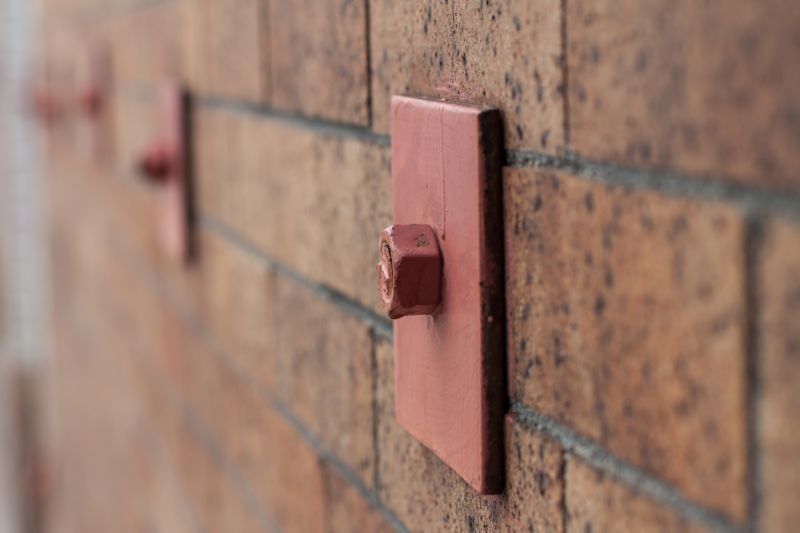
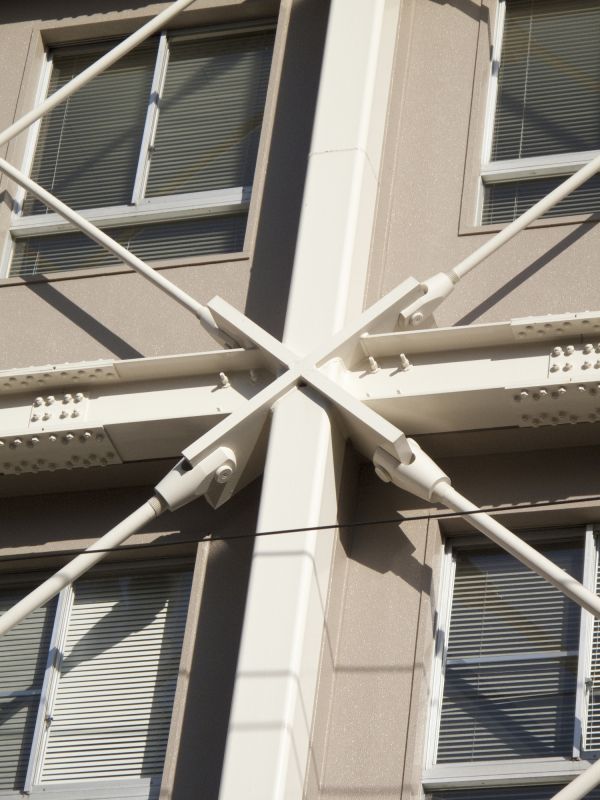
Techniques include base isolators, shear walls, braced frames, and foundation reinforcement.
Retrofitting is often prioritized after seismic activity increases or when structural assessments identify vulnerabilities.
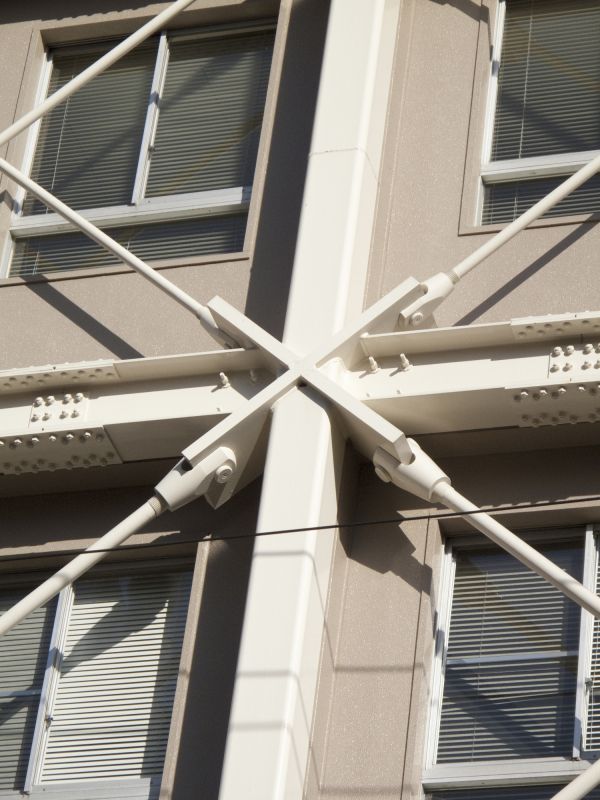
Ways to make Seismic Retrofitting Service work in tight or awkward layouts.
Popular materials for Seismic Retrofitting Service and why they hold up over time.
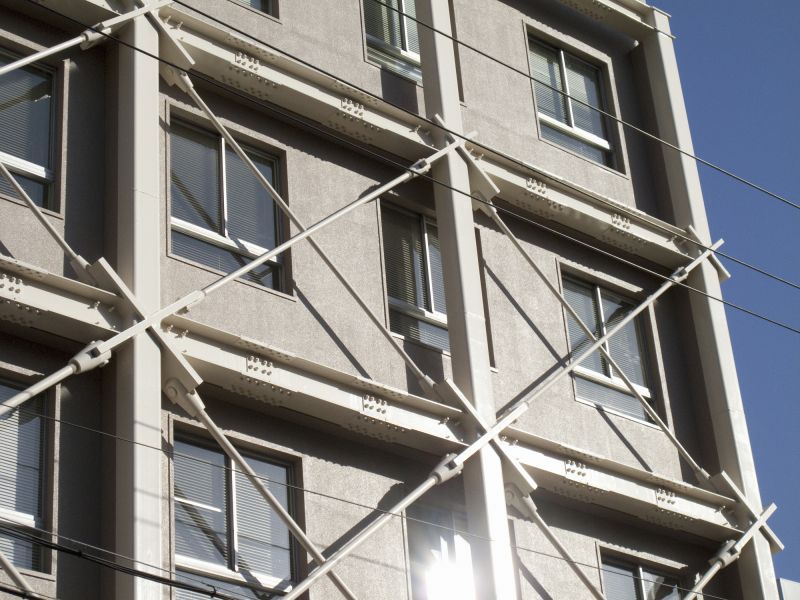
Simple add-ons that improve Seismic Retrofitting Service without blowing the budget.
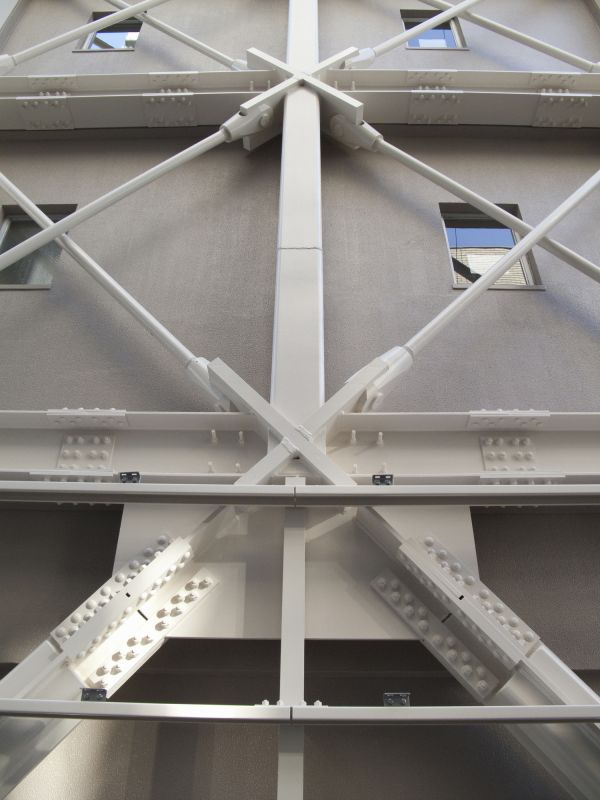
High-end options that actually feel worth it for Seismic Retrofitting Service.
Finishes and colors that play nicely with Seismic Retrofitting Service.
Little measurements that prevent headaches on Seismic Retrofitting Service day.
A 60-second routine that keeps Seismic Retrofitting Service looking new.
A frequent mistake in Seismic Retrofitting Service and how to dodge it.
| Question | Answer |
|---|---|
| When is the best time for Seismic Retrofitting Service? | The optimal time is before an earthquake occurs, especially when structural vulnerabilities are identified or after seismic activity increases in the region. |
| Can retrofitting be done during any season? | Retrofitting can typically be performed year-round, but scheduling may depend on weather conditions and project complexity. |
| Should retrofitting be prioritized for certain buildings? | Yes, structures in high seismic risk zones or with identified weaknesses should be prioritized for retrofitting. |
| Is retrofitting necessary for older buildings? | Older buildings often benefit from retrofitting due to outdated construction standards and increased seismic risks. |
| How long does retrofitting usually take? | The duration varies based on building size and scope but can range from a few weeks to several months. |
| What are the signs that retrofitting is needed? | Signs include visible structural damage, recent seismic activity, or assessments indicating potential vulnerabilities. |
| Are there funding options for retrofitting? | Funding may be available through government grants, insurance, or financing programs designed for seismic safety upgrades. |
Seismic retrofitting is a proactive measure to enhance building resilience against earthquakes. It involves strengthening existing structures through various techniques, including foundation reinforcement, addition of shear walls, and installation of base isolators. The process is most effective when performed before a seismic event, especially in regions with increased earthquake activity or when structural assessments reveal vulnerabilities. Implementing retrofitting measures can significantly mitigate damage, reduce repair costs, and protect occupants. The cost of retrofitting varies based on the building's size and complexity, with options for financial assistance in many areas. Regulatory requirements may also influence timing, as local codes often mandate seismic upgrades for certain structures. Planning involves thorough assessments, designing appropriate strengthening measures, and scheduling construction to minimize disruption. Regular inspections post-retrofit ensure ongoing safety and performance.