
Leading Products For Seismic Retrofitting Service Solutions
Discover essential tools and materials that enhance building safety and resilience through effective seismic retrofitting techniques.
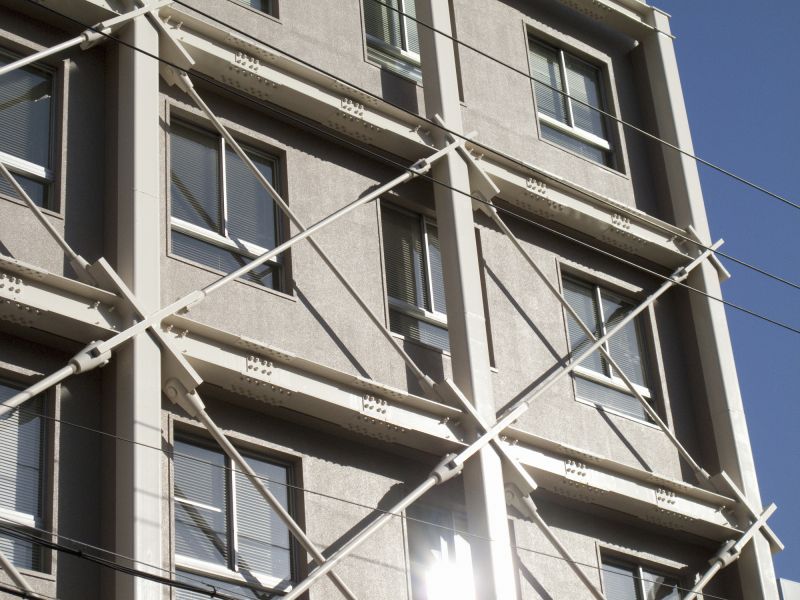 Seismic retrofitting products are essential components used to enhance the structural resilience of buildings in earthquake-prone areas. These products are designed to improve a building's ability to withstand seismic forces, reducing potential damage and increasing safety for occupants. The selection of appropriate retrofitting solutions depends on various factors, including the building's age, design, and specific seismic risk profile.
Top Overall Option
Structural Reinforcement Systems
Structural reinforcement systems involve the use of advanced materials such as steel braces, reinforced concrete, and fiber-reinforced polymers to strengthen existing building frameworks. These systems are designed to improve load distribution and enhance the building's ability to absorb seismic forces. They can be customized to fit various building types and are often integrated with other retrofit components for comprehensive seismic resilience.
Types of Products For Seismic Retrofitting Service
Base Isolators
Devices placed between the building and its foundation to allow controlled movement during seismic events, reducing stress on the structure.
Dampers
Shock-absorbing devices that dissipate seismic energy, minimizing vibrations and structural stress.
Reinforced Steel Braces
Steel braces added to walls and frames to improve lateral stability and load-bearing capacity.
Fiber Reinforced Polymers
Lightweight, high-strength materials used to reinforce walls, beams, and columns without adding significant weight.
Moment Frames
Structural frames designed to absorb seismic forces through flexible joints and connections, enhancing overall stability.
Post-Tensioned Tendons
High-strength tendons used to reinforce concrete structures and improve their seismic performance.
Seismic Bracing Systems
Specialized bracing configurations that provide lateral support to walls and frames during earthquakes.
Foundation Anchors
Anchoring systems that secure the building foundation to the ground, preventing uplift and sliding during seismic activity.
Energy Dissipation Devices
Components designed to absorb and dissipate seismic energy, protecting the structural elements.
Shear Wall Reinforcements
Reinforcements applied to shear walls to enhance lateral load resistance during seismic events.
Seismic Clips and Connectors
Specialized hardware that connects structural elements, allowing movement and reducing stress during quakes.
Base Plate Connectors
Connectors used to anchor structural elements to foundations or other structural components securely.
Flexible Wall Systems
Walls designed with flexible materials or joints to accommodate movement without cracking or failure.
Shock Absorbing Mounts
Mounts that isolate equipment or structural components from seismic vibrations.
Structural Retrofit Kits
Pre-packaged solutions that combine various retrofit products for comprehensive seismic strengthening.
Seismic Isolation Bearings
Bearings that allow the building to move independently of ground motion, reducing seismic forces transmitted.
Lateral Force Resisting Frames
Frames designed specifically to resist lateral forces during seismic activity, maintaining structural integrity.
Popular Choices
Flexible devices placed between the building and foundation to reduce seismic vibrations.
Devices that absorb seismic energy to protect structural elements during earthquakes.
Structural steel components added to reinforce walls and frames against lateral forces.
Lightweight reinforcement materials used to strengthen existing structures without adding significant weight.
Anchoring systems that secure the building to its foundation to prevent movement during seismic events.
Enhancements to shear walls to improve their capacity to resist lateral seismic forces.
Flexible frame systems that allow building movement while maintaining structural integrity during quakes.
Reinforcing tendons used within concrete to improve seismic performance.
Hardware components that connect and stabilize structural elements during seismic activity.
Components designed to absorb and reduce seismic energy transmitted to the structure.
Walls engineered to accommodate movement and reduce cracking during seismic events.
Mounts that isolate equipment and structural components from seismic vibrations.
Frames designed to resist lateral seismic forces and maintain building stability.
Hardware that securely connects structural elements to foundations or other components.
Bearings that allow buildings to move independently of ground motion, reducing seismic impact.
Modern seismic retrofitting involves a range of products that can be integrated into existing structures with minimal disruption. These include reinforcement materials, damping systems, and specialized connectors that help absorb and dissipate seismic energy. Proper installation and selection of these products are crucial for achieving optimal performance, making it important for property owners and engineers to understand the options available.
The goal of seismic retrofitting products is to enhance structural stability without compromising the building's functionality or aesthetic. They are often used in combination to provide a comprehensive retrofit solution tailored to the unique needs of each building. When selecting products, considerations such as compatibility with existing materials, ease of installation, and long-term durability should be prioritized to ensure the retrofit's effectiveness over time.
While the market offers a wide array of products, consulting with seismic retrofit specialists can help identify the most suitable options for specific building requirements. Proper assessment and planning are key to implementing a retrofit that not only meets safety standards but also aligns with budget and timeline constraints. Overall, investing in quality seismic retrofit products can contribute significantly to the safety and resilience of buildings in earthquake-prone regions.
Key Buying Considerations
- Compatibility with existing building materials and structures
- Ease of installation and integration into current frameworks
- Long-term durability and resistance to environmental factors
- Seismic performance ratings and certifications
- Flexibility and adaptability for future modifications
- Cost-effectiveness relative to project scope and budget
- Manufacturer reputation and product quality standards
- Availability of technical support and installation services
- Compliance with local seismic codes and regulations
- Weight and size of retrofit products to avoid overloading structures
- Maintenance requirements and lifecycle costs
- Potential impact on building aesthetics and interior space
- Compatibility with other retrofit components for comprehensive solutions
- Environmental conditions of the installation site
- Track record of successful applications in similar building types